Who Is Responsible for Arranging a Carpet Mold Inspection in a Rental Property
Understanding responsibility for carpet mold inspections
Mold in carpeting is not always obvious. By the time you see it or smell it, the problem has often been growing for days or weeks. In a rental property, the question of who should arrange an inspection can create tension between tenant and landlord. The answer depends on the source of the moisture, the terms of the lease, and local landlord-tenant laws. In most cases, the landlord carries the duty to maintain a habitable living space, but the tenant may need to act first to prevent further damage.
When moisture from a leak, flood, or high humidity seeps into carpet padding and backing, mold can spread quickly. The longer it sits, the harder and more expensive it becomes to remove. That is why early detection matters. A professional inspection identifies hidden moisture, assesses the extent of contamination, and determines whether the carpet can be cleaned or must be removed entirely. This process is part of what the industry calls commercial carpet remediation, though the same principles apply to residential rentals.
When the landlord should arrange the inspection
Landlords are generally responsible for keeping the property free from health hazards. Mold falls under that category in most jurisdictions. If the moisture source comes from a building defect, such as a leaking roof, a burst pipe, a faulty HVAC system, or poor drainage, the landlord should arrange and pay for the inspection. The reasoning is straightforward: the landlord controls the structure and its systems. Tenants cannot repair a roof or replace a plumbing line.
In many states and provinces, landlord-tenant laws require the landlord to address mold within a reasonable time after being notified. Some local codes specify that the landlord must hire a certified inspector when visible mold covers more than a certain area, often around ten square feet. Even when the law is less specific, a proactive landlord will arrange an inspection at the first sign of moisture trouble. Doing so protects the property and avoids a larger claim down the road.
What happens during a professional inspection
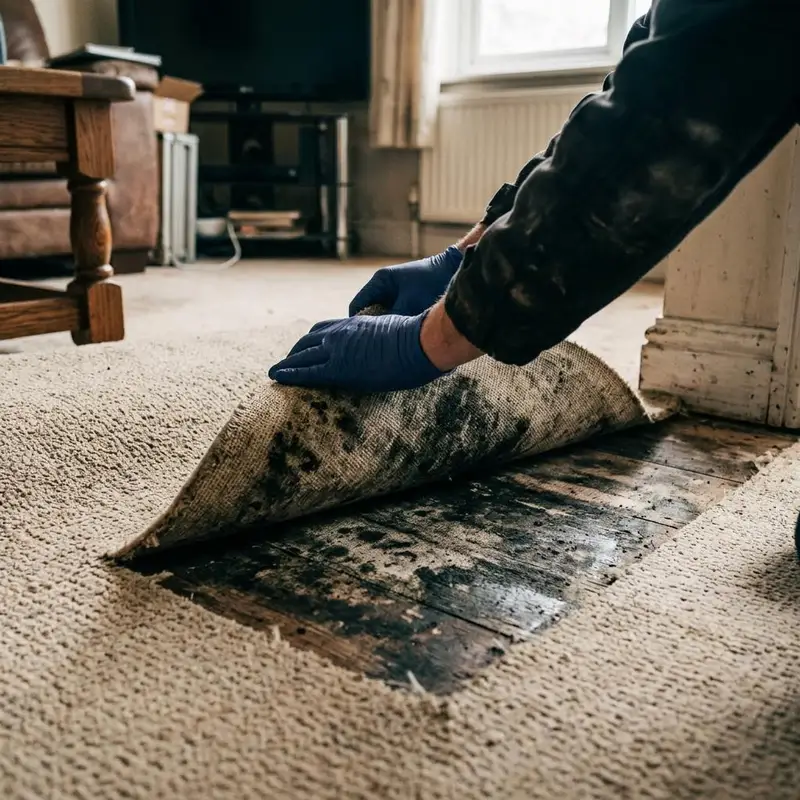
A trained inspector uses moisture meters, thermal imaging cameras, and sometimes borescopes to check under carpets and along baseboards. They look for elevated moisture levels in the carpet backing, the subfloor, and the walls. They also check for musty odors, which often indicate hidden growth. The inspector does not simply look for visible mold; they look for conditions that produce it. That distinction matters because by the time mold is visible, it has already been releasing spores into the air. An early inspection can catch the problem before it reaches that stage.
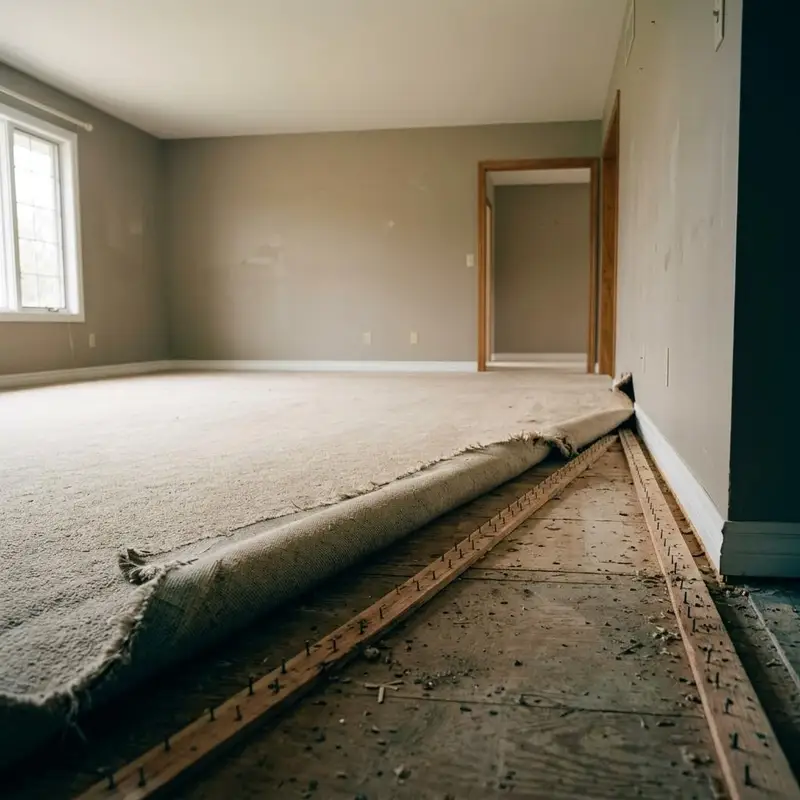
If the inspection finds that the moisture came from a building defect, the landlord typically covers the cost of both the inspection and any needed remediation. The tenant should receive a copy of the inspection report. That document becomes important if there is a dispute about who pays for the cleanup or if the tenant later claims that the unit was uninhabitable.
When the tenant may be responsible
Tenants also have duties. Most leases require the tenant to keep the unit clean, to report problems promptly, and to avoid causing damage. If the tenant fails to report a slow leak from a faucet or allows water from a shower or spill to soak the carpet for days, the resulting mold may be the tenant's responsibility. In that case, the tenant should arrange the inspection and cover the cost.
Another common scenario is condensation. In humid climates or during winter, moisture can collect on windows and run down onto the carpet. A tenant who does not wipe the sills or run a dehumidifier might create conditions for mold. Whether the landlord or tenant bears the cost in such cases depends on lease language about normal maintenance. Some leases explicitly require tenants to control humidity and to report condensation issues.
If a tenant suspects mold but the landlord is slow to act, the tenant may need to arrange an inspection independently. This is not ideal, but it can protect the tenant's health and provide documented evidence. A tenant who pays for an inspection out of pocket should keep the receipt and the report. That information can be used in a later rent abatement request or in small claims court if the landlord refuses to remediate.
The role of property managers
In many rentals, a property manager handles day-to-day operations. The manager is the tenant's first point of contact. When a tenant notices a musty smell or a damp spot on the carpet, they should report it in writing to the manager. Email or a written note creates a record. The manager then has a duty to investigate. If the problem is building-related, the manager typically calls a restoration company to perform an inspection.
Property managers who deal with mold regularly often have a list of trusted vendors. They know that delaying an inspection can turn a small moisture issue into a large mold claim. Good managers treat every complaint seriously and schedule an inspection within 24 to 48 hours. They also understand that insurance policies may require prompt action to deny or limit coverage.
When both parties share responsibility
Sometimes the cause is not clear. A leak may start in a wall but go unnoticed for weeks, and by the time it is found, the tenant has also failed to ventilate the room properly. In those cases, shared responsibility is common. The landlord may pay for the inspection and the structural repair, while the tenant pays for part of the carpet cleaning or replacement. The exact split depends on local law and the specific lease.

Mediation is an option if the two sides cannot agree. Some jurisdictions have tenant-landlord dispute resolution programs that handle mold claims. A professional inspection report is the key piece of evidence in such a process. Without it, each side can only speculate about the source and extent of the mold.
What tenants should do if they suspect mold
A tenant who suspects mold should take these steps:
- Document the area with photos and notes. Note any odors, discoloration, or dampness.
- Report the issue in writing to the landlord or property manager. Keep a copy of the communication.
- Do not attempt to remove the mold yourself with bleach or household cleaners. Improper cleaning can spread spores and make the problem worse.
- If the landlord does not respond within a reasonable time, contact the local housing authority or health department for guidance.
- Consider arranging a private inspection if health symptoms appear or if the landlord refuses to act.
Tenants should avoid using ozone generators or foggers marketed as mold killers. These products can mask the problem without addressing the moisture source. Only a professional inspection backed by moisture readings and lab analysis can give a clear picture.
What landlords should do when notified
Landlords who receive a mold complaint should act quickly. The first step is to inspect the area themselves or call a restoration company. A company like Carpet Mold Removal Services Pros can send a trained technician to assess the carpet and the underlying moisture condition. The technician will identify the source of the water, determine whether the carpet can be dried and cleaned or must be removed, and provide a written report.
Landlords should also check their insurance policy. Many policies cover mold remediation only if the moisture source is sudden and accidental, such as a burst pipe. Slow leaks and ongoing humidity may be excluded. Knowing the coverage ahead of time helps the landlord decide whether to file a claim or pay out of pocket.
After the inspection, the landlord should share the findings with the tenant. Transparency reduces suspicion and helps both parties agree on the next steps. If remediation is needed, the landlord should schedule it promptly. Delaying can lead to further damage and potential liability for the tenant's health issues.
Companies that specialize in commercial carpet remediation bring the right equipment and experience to handle the job safely. They use industrial-grade air movers and dehumidifiers to dry the structure, and they follow industry standards for containment and removal. Carpet Mold Removal Services Pros is one such provider that understands the nuances of both residential and commercial settings. Their technicians know how to find hidden moisture and how to restore the carpet or remove it without spreading contaminants.
Preventing disputes through clear lease language
The best way to avoid arguments about who arranges and pays for a mold inspection is to put the rules in the lease. A well-written lease should state the tenant's duty to report moisture and to maintain reasonable humidity levels. It should also explain the landlord's obligation to respond and to remediate building-related issues. Some leases now include a specific mold clause that outlines the process for inspection and remediation.
Both parties benefit from clarity. The tenant knows what to do and what to expect. The landlord avoids surprises and can budget for inspections as part of normal maintenance. When problems do arise, the lease provides a framework for resolving them without conflict.
In the end, the responsibility for arranging a carpet mold inspection in a rental property rests with the party who controls the moisture source. For building defects, that is the landlord. For tenant-caused issues, it is the tenant. When the cause is unclear, cooperation and a professional inspection are the best way forward. The cost of an early inspection is small compared to the cost of a full mold remediation project. Both landlords and tenants should treat mold seriously, act quickly, and rely on qualified professionals to guide the process.
Corrections
Spot something wrong? Send it to the desk and it gets fixed in the open.